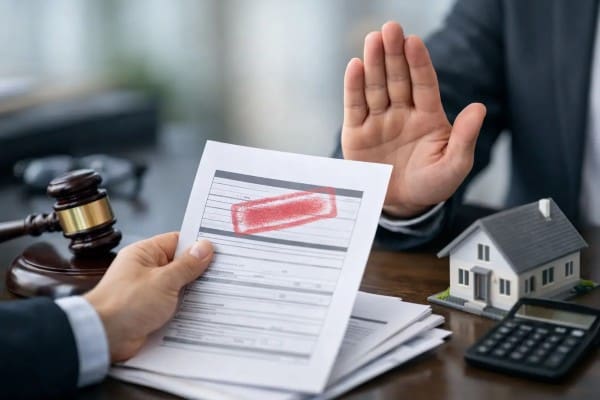
A customer slips on a wet floor, a delivery driver claims your employee damaged property, or your business is accused of causing advertising harm. In moments like these, the general liability insurance definition stops being an abstract term and becomes a practical question: what exactly does this policy protect, and where does that protection end?
What is the general liability insurance definition?
At its core, the general liability insurance definition is straightforward. General liability insurance is a business policy that helps cover claims involving third-party bodily injury, third-party property damage, and certain personal and advertising injuries that arise out of your operations, premises, products, or completed work.
That sounds technical because insurance language has to be precise. In plain terms, it is designed to protect your business when someone outside your company says you caused harm and seeks payment. That could mean medical costs, legal defense expenses, settlements, or judgments, depending on the claim and the policy terms.
The key phrase here is third party. General liability does not usually cover injury to your own employees on the job. That exposure is generally addressed by workers compensation. It also does not serve as an all-purpose shield for every business loss. It responds to specific liability claims, under specific conditions, subject to exclusions and limits.
Why this definition matters to business owners
Many owners first buy general liability because a landlord requires it, a client asks for a certificate, or a contract sets minimum limits. Those are valid reasons, but they can lead people to treat the policy like a box to check. That is where misunderstandings start.
If you assume general liability covers any accident connected to your business, you may overlook serious gaps. A contractor may need completed operations protection reviewed carefully. A retailer may have strong premises exposure. A manufacturer may have product liability concerns that deserve closer attention. A company with vehicles on the road may mistakenly think a general liability policy covers auto-related claims when those usually belong under business auto coverage.
The definition matters because coverage decisions affect contracts, claims handling, and the financial stability of the business when something goes wrong.
What general liability insurance usually covers
Bodily injury liability
This is one of the most common parts of the policy. If a customer, vendor, visitor, or other third party is physically injured and your business is alleged to be responsible, general liability may respond.
A typical example is a slip-and-fall at your office, storefront, warehouse, or jobsite. It can also involve situations beyond your physical location if your operations allegedly caused injury elsewhere.
Property damage liability
General liability can also cover third-party property damage. If your business operations accidentally damage someone else’s property, the policy may help pay for the resulting claim.
For example, if a contractor’s work causes damage to part of a client’s building, or an employee accidentally damages a customer’s equipment during service work, this part of the policy may come into play. The exact outcome depends on the facts, the policy wording, and whether any exclusions apply.
Personal and advertising injury
This category is less intuitive, but it matters. It may cover claims such as libel, slander, disparagement, false arrest, wrongful eviction, or certain advertising-related offenses.
Not every business thinks about this exposure until a dispute arises over marketing content, public statements, or alleged reputational harm. Service firms, agencies, property-related businesses, and companies with active marketing operations often need to understand this section more clearly than they expect.
Legal defense costs
One of the most valuable features of a general liability policy is that it may provide a legal defense for covered claims. Even when a claim is questionable, responding to a lawsuit is expensive. Attorney fees, court costs, investigation expenses, and settlement discussions can add up quickly.
This is often where business owners see the practical value of the policy. The cost of defending a claim may be significant even when the business is ultimately not found liable.
What general liability insurance does not usually cover
Understanding the general liability insurance definition also means understanding its boundaries.
Employee injuries
If your own employee is hurt in the course of employment, that is generally handled through workers’ compensation, not general liability. This is one of the most common points of confusion for employers.
Commercial auto losses
Claims arising from owned business vehicles, and often from other vehicle-related exposures, usually fall under business auto insurance. If your team drives for work, this deserves separate attention.
Professional mistakes or advice
If your business provides advice, design, consulting, or specialized services, general liability generally does not cover financial harm caused by professional errors or omissions. That is where professional liability coverage may be needed.
Damage to your own property
General liability is intended for damage or injury suffered by others, not for repairing your own building, tools, inventory, or equipment. Property insurance addresses those losses differently.
Intentional acts and certain excluded risks
Policies also exclude a range of specific situations. Depending on the business, that can include employment practices issues, pollution, cyber events, contractual assumptions beyond standard policy provisions, or damage to your own work under certain circumstances. This is where reading only the declarations page is not enough.
How coverage applies in real business situations
The general liability insurance definition is easier to understand when you connect it to everyday operations.
A retail store may be most concerned with customer injuries on the premises. A contractor may need to think about both active jobsite exposures and claims that arise after work is completed. A manufacturer may focus on product-related allegations. A landlord or real state investor may need to review premises liability and tenant-related contractual requirements. A food distributor may face a mix of premises, product, and operational exposure.
The policy category is the same, but risk profiles differ. That is why two businesses with similar revenue can still need very different approaches to limits, endorsements, and related policies.
Limits, deductibles, and why cheap coverage is not always a bargain
General liability policies are purchased with coverage limits, such as a per-occurrence limit and an aggregate limit. Those numbers matter because they define how much protection is available for covered claims.
Buying the lowest required limit may reduce premium in the short term, but it can create pressure if a serious claim exceeds what the policy pays. On the other hand, carrying very high limits without considering contract needs, industry risk, and overall insurance structure may not be the most efficient move either. It depends on your operations, customer requirements, lease obligations, and loss exposure.
Some businesses also add umbrella or excess liability coverage to extend protection above the general liability policy limits. That is often worth discussing when contracts require higher limits or when the business has meaningful public interaction, physical operations, or product exposure.
Why certificates of insurance are only part of the picture
Many business owners encounter general liability through certificates of insurance. A client asks for proof of coverage, or a landlord requires evidence that a policy is in force. Certificates are useful administrative tools, but they do not replace a coverage review.
A certificate may show the carrier, policy dates, and limits. It does not fully explain exclusions, endorsements, additional insured wording, completed operations treatment, or whether the policy fits the actual work being performed. If your contracts are specific, your insurance program needs to be equally specific.
Choosing the right policy means looking beyond the definition
The definition tells you what general liability is meant to do. It does not answer whether your particular policy is well-structured.
That takes a closer look at your business model, locations, subcontractor relationships, products, jobsite activity, advertising practices, and contractual obligations. It also helps to review how general liability works alongside workers’ compensation, business auto, property coverage, umbrella liability, and any professional or management liability policies your business may need.
For many companies, especially growing businesses, the real value of working with an independent agency is not just access to a policy. It is having an advisor who can compare carrier options, explain trade-offs, and stay involved when claims, renewals, certificates, and coverage questions arise. That is where a firm like Faculty Insurance Services can make the process more practical and less transactional.
A working definition you can actually use
If you want a practical version to keep in mind, here it is: general liability insurance helps protect your business when a third party claims your operations, premises, products, or advertising caused bodily injury, property damage, or certain other covered harm.
That definition is useful, but only if you treat it as a starting point. The real question is whether your coverage reflects how your business actually operates today, not how it looked when the policy was first issued. A short conversation before a claim is often far easier than trying to solve a coverage problem after one.